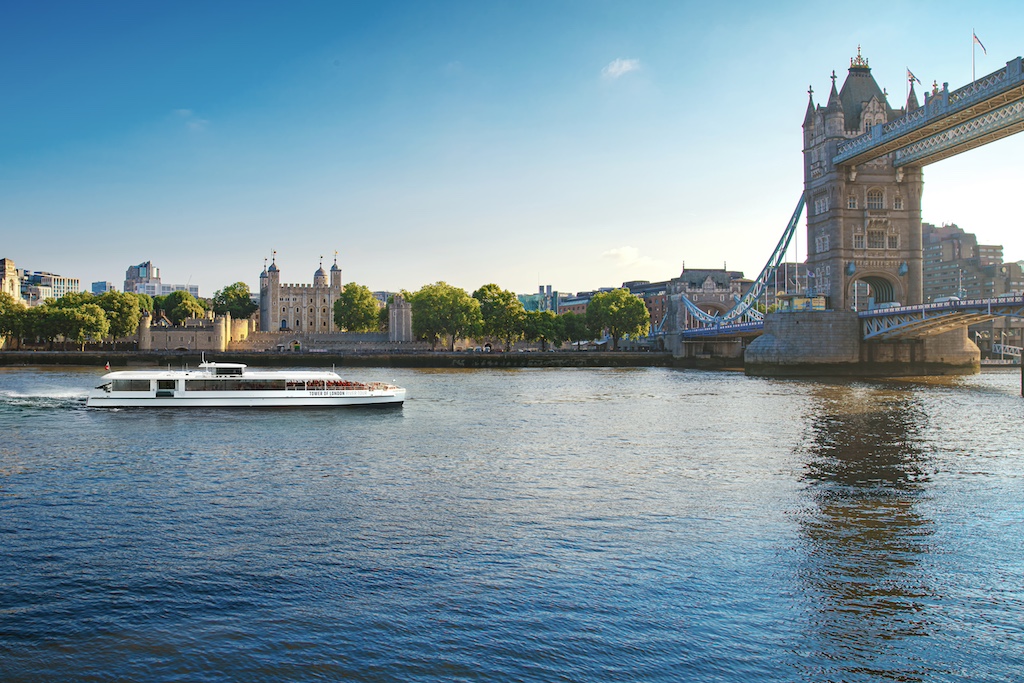
Tower of London to be ‘transformed’ with major changes to moat
A proposed “transformation” of the Tower of London’s moat has been revealed. Plans recently submitted to Tower Hamlets Council for consideration include the return of water features to the moat, which has been dry since the 1840s. The proposals say water will be “central” to the redevelopment of the moat’s landscape, with ponds and wetlands.
They describe an “ecologically rich moat landscape that reconnects visitors with the Tower’s defensive history while responding to biodiversity loss, and water scarcity”. Historic Royal Palaces, which manages the historic site, has applied to Tower Hamlets Council for planning permission for the transformation.
Proposals say the three sides of the moat will stay accessible to the public and include a mixture of ponds, wetlands, meadows and grassland areas, with pathways and seating.
The west moat would have “rain gardens”, watered by historic spouts from the revetment wall. There would also be an “open meadow” with “long views along the moat”, and a “sizeable gathering space” near its entrance.
Along the northern side there would be features memorialising the first and second world wars. These would include a “First World War solider emerging from the planting and Women’s Auxiliary Air Force member holding the steel cable from a barrage balloon”.
There would also be a seating area at the site of the now-demolished North Bastion Tower, which was badly damaged in the Second World War.
The east moat would include a nature learning pond for school visits, and activity spaces. It would focus on “how the moat historically supported daily life, food production and industry within the Tower”.
The moat is currently occupied by the summer 2022 “Superbloom” installation of wildflowers.
However, that same summer saw historic heatwaves in June, July and August, with Thames Water introducing a hosepipe ban.
Design documents submitted with the application say an emergency backup irrigation tank soon ran dry without watering the plants sufficiently.
They say Historic Royal Palaces “has learnt from the dry summer of 2022, that the challenges of keeping an attraction such as Superbloom in constant visual splendour, relies on a significant water supply to look attractive”.
Instead, water collected in a 19th Century culvert that collects storm water will be used to top up the wetlands during dry periods.
The moat was drained of water in the 1840s on the order of the Duke of Wellington, after an outbreak of waterborne diseases.
The surgeon general at the time said the moat was “‘impregnated with putrid animal and excrementitious matter” and “emitting a most obnoxious smell”.
It’s been dry ever since, save for a major flood in 1928 when the Thames overflowed.
The plans were submitted to the council in February and became visible on the council’s planning website last week. They can be viewed and commented on using reference number PA/26/00292/NC.
Looking for more from MyLondon? Subscribe to our daily newsletters here for the latest and greatest updates from across London.
link